
Metabolism Scientific Advisory Board

Dr. Ways earned his M.D. with honors and a Ph.D. in pharmacology and completed an internal medicine residency program and an endocrinology/metabolism fellowship from the University of North Carolina. He is board certified in Internal Medicine and Endocrinology. He was Vice-Chairman for Research, Department of Medicine, Director of the Diabetes Center and Head of the Endocrinology Section at East Carolina School of Medicine, where he was an NIH-funded investigator. Dr. Ways served as a Research Fellow in the Lilly Research Laboratories, Vice President and Head of Metabolism at Janssen Pharmaceuticals and Chief Medical Officer for Nuvelution Pharma, MBX Biosciences (interim) and Spruce Biosciences where he also serves on the board of directors. He is a co-author on 65 peer-reviewed publications in prestigious journals such as Proceedings of the National Academy of Sciences, J Biological Chemistry, Diabetes Care, Diabetes, Obesity and Metabolism, PLoS One, FASEB J, Endocrinology, J Clinical Investigation, Molecular Endocrinology.
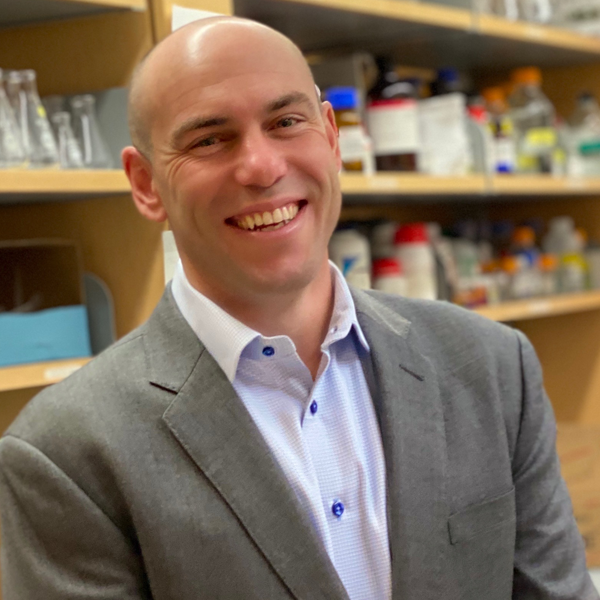
Matthew R. Hayes, Ph.D. is the Albert J. Stunkard Professor in Psychiatry, Vice Chair of Basic and Translational Neuroscience, and Director of the Molecular and Neural Basis of Psychiatric Disease Section in the Department of Psychiatry at the Perelman School of Medicine at the University of Pennsylvania. As an educator, Dr. Hayes holds a secondary appointment in the School of Nursing where he teaches core courses for the Nutrition Major at Penn. Dr. Hayes earned his Ph.D. in Nutritional Sciences from The Pennsylvania State University and conducted his postdoctoral fellowship in psychology and neuroscience at The University of Pennsylvania under the mentorship of Dr. Harvey Grill. Dr.
Hayes is considered a leading expert on the neuroendocrine systems that regulate energy balance. In particular, the Hayes laboratory focusses their research efforts extensively on understanding the neural, behavioral, cellular, molecular, and physiological mechanisms by which hormones, such as GLP-1, amylin, GIP, PYY, and leptin regulate food intake and body weight through action in the caudal brainstem and mesolimbic reward system. These basic science research efforts are conducted with the intention that they will translate into improved pharmacological / behavioral treatments for obesity, diabetes, and co-morbid diseases. Dr. Hayes has been PI / MPI on multiple NIDDK R01 awards, as well as Investigator Initiated Sponsored Proposals from pharmaceutical partners. These and other awards have supported his research into neuroendocrine controls of energy balance and obesity, with a track record of over 150 publications in this area. He has and continues to provide service as program chair and as an executive board member and scientific advisor for multiple international scientific societies (e.g. SSIB, Keystone and TOS), industry partners, and non-profit organizations dedicated towards neuroscience, nutrition, diabetes and obesity research / clinical care. Dr. Hayes also continues to provide service to NIH, having served on the BNRS and NORC review study sections reviewing NIH research proposals.

Jonathan Campbell is an Associate Professor at Duke University in the Department of Medicine and the Department of Pharmacology and Cancer Biology, as well as a faculty member of the Duke Molecular Physiology Institute (DMPI). His background is in biology and physiology, with specific training and expertise in diabetes, islet biology, and gut hormone endocrinology. His research program, located in the Duke Molecular Physiology Institute, is utilizes preclinical models including cell-based assays, genetic mouse models, and human samples to investigate the various mechanisms of action for incretins in physiology and pharmacology. His group also translates the results from preclinical models through human physiology studies. The current focus of our group is to: 1) understand the unique and common signaling pathways engaged by incretins that regulate cellular function, 2) elucidate the importance of paracrine interaction within the islet, and 3) determine novel mechanisms by which incretin peptides and glucagon interact to regulate metabolism.